


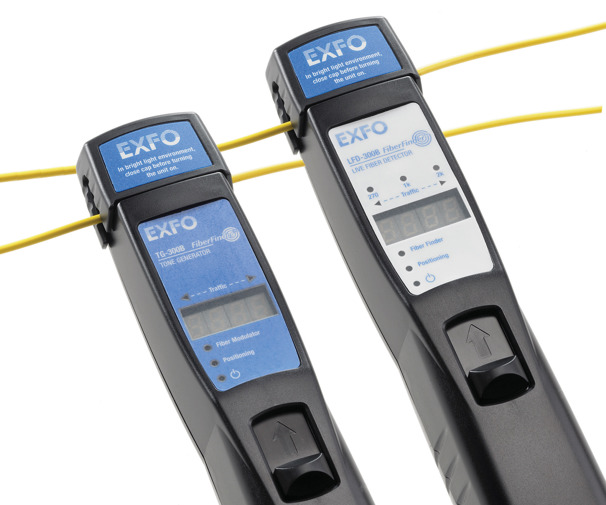
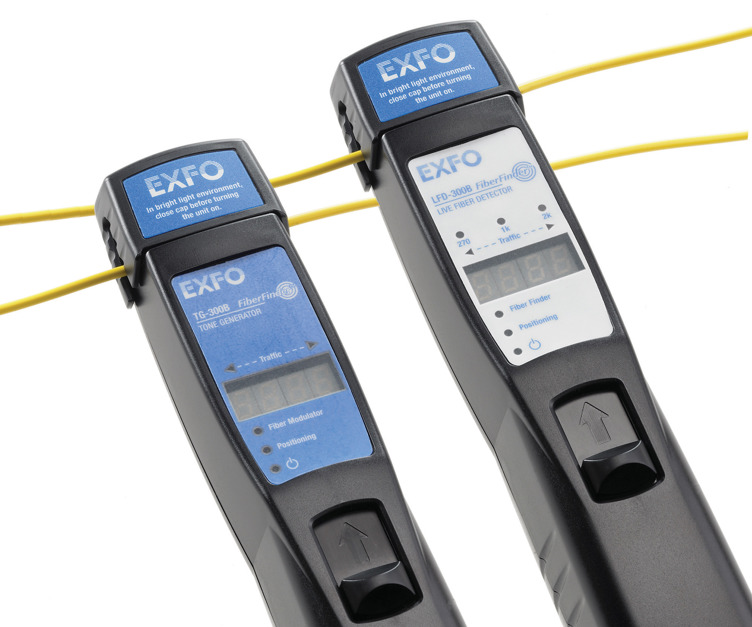
| Fiber type | 3 mm, 1.6 mm, 900 µm |
| Insertion loss (dB)(c) | Maximum guaranteed: 1 1550 nm: 0.5 1310 nm: 0.3 |
| Power range (dBm) | 25 to –35 |
| Power measurement repeatability(b) (dB) | ±1 |
| Test time (s) | < 6 |
| Note: All specifications are typical and valid from 18 °C to 28 °C and at 1550 nm unless otherwise specified. Coating/jacket color and mechanical properties may alter the specifications. For G.652 fiber type. Specifications may vary with other fiber types. (b) With power in fiber greater than –25 dBm. (c) At temperatures below 15 °C, jacket hardening may prevent adequate bending. Hand-warming the fiber may be required to soften it. | |
| Size (H x W x D) | 245 mm x 45 mm x 55 mm (9 5/8 in x 1 ¾ in x 2 ¼ in) |
| Weight (without batteries) | 0.35 kg (0.8 lb) |
| Temperature(c) | Operating: 0 °C to 50 °C (32 °F to 122 °F) Storage: –40 °C to 70 °C (–40 °F to 158 °F) |
| Relative humidity | 0 % to 93 % non-condensing |
| (c) At temperatures below 15 °C, jacket hardening may prevent adequate bending. Hand-warming the fiber may be required to soften it. | |